
Losing one or more teeth can affect much more than your appearance. Missing teeth may make eating difficult, alter your speech, reduce your confidence, and even lead to jawbone deterioration over time. Fortunately, modern dentistry offers a long-lasting and natural-looking solution through Dental Implant Treatment.
Unlike removable dentures or traditional bridges, dental implants replace the entire tooth structure, including the root. This provides exceptional stability, preserves jawbone health, and restores both function and aesthetics. Whether you have lost a single tooth due to decay, injury, or gum disease, or need multiple teeth replaced, implants are considered one of the most reliable tooth replacement options available today.
At Indus Dental Care, patients across Coimbatore, Palladam, and Tirupur receive advanced implant solutions using digital diagnostics, precision-guided planning, and personalized treatment protocols. Every patient undergoes a detailed evaluation to ensure the treatment is safe, effective, and tailored to their oral health needs.
This guide explains everything you need to know about Dental Implant Treatment, including who can benefit, how the procedure works, the advantages, recovery expectations, and factors that influence treatment decisions.
What is Dental Implant Treatment?
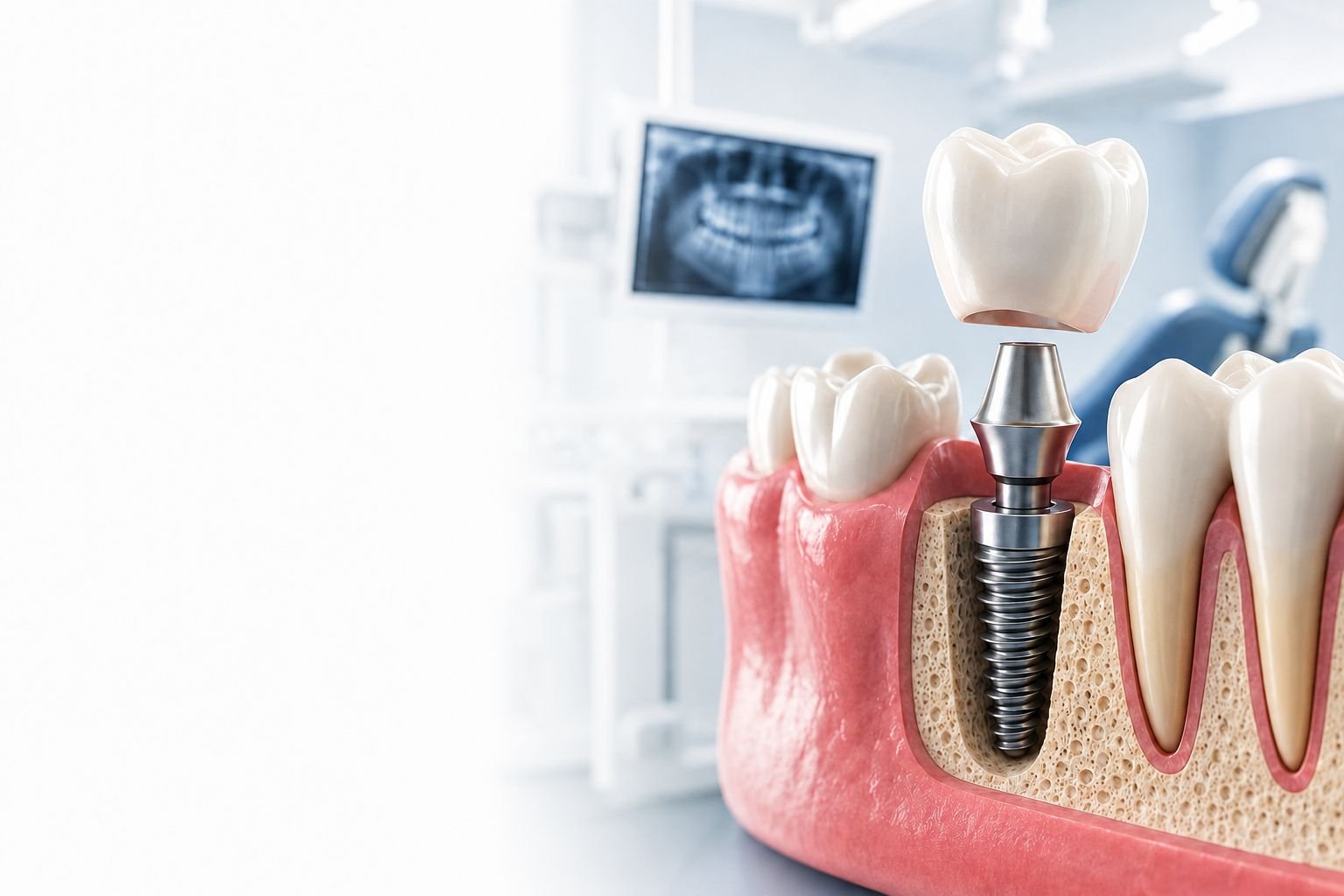
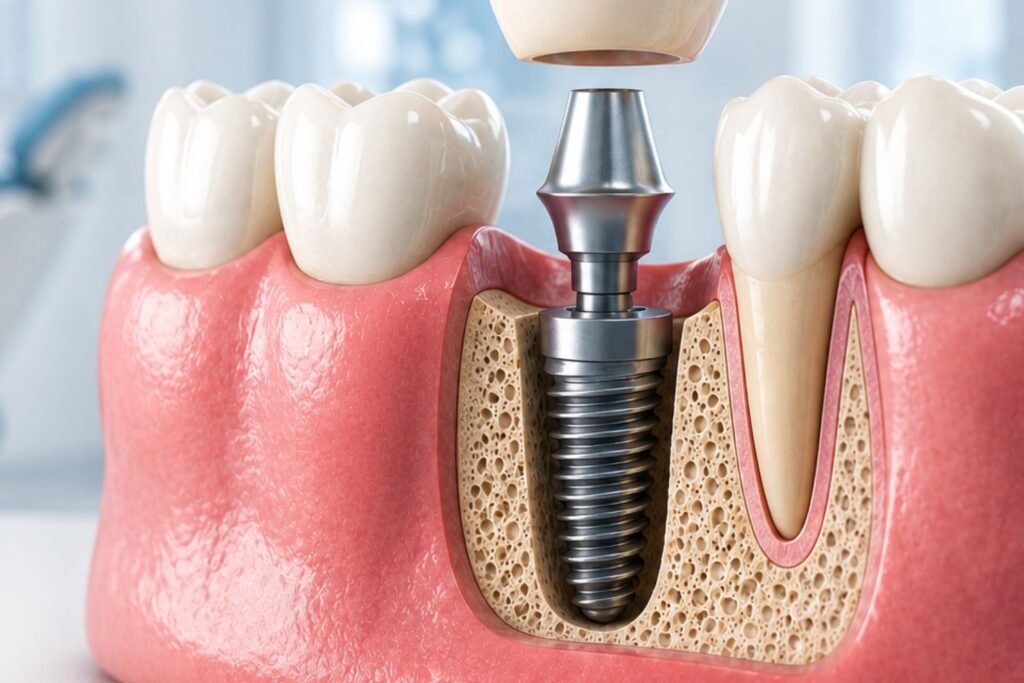
Dental Implant Treatment is a modern restorative dental procedure that replaces missing teeth by placing a small titanium implant into the jawbone. This implant acts as an artificial tooth root, creating a stable foundation for a custom-made dental crown, bridge, or denture.
Over the following months, the implant naturally bonds with the jawbone through a biological process called osseointegration. This fusion creates a secure and durable base that closely mimics the strength and function of a natural tooth root.
Once healing is complete, a carefully crafted restoration is attached to the implant, resulting in a replacement tooth that looks, feels, and functions much like a natural one.
Unlike conventional dentures, implants remain fixed in place and do not shift while speaking or eating. They also help maintain the natural contours of the face by supporting the jawbone, which can gradually shrink after tooth loss.
Because of their durability and high success rates, dental implants have become the preferred choice for long-term tooth replacement worldwide.
Why Are Dental Implants Considered the Gold Standard for Tooth Replacement?
When a natural tooth is lost, the jawbone no longer receives stimulation from the tooth root. Over time, this can lead to bone loss, changes in facial appearance, and movement of neighboring teeth.
Dental implants address these challenges by replacing the missing tooth root, helping to preserve bone structure and maintain proper bite alignment.
Some reasons why dentists recommend implants include:
- Restore natural chewing efficiency.
- Provide long-term stability.
- Prevent jawbone deterioration.
- Improve speech clarity.
- Enhance smile aesthetics.
- Support facial structure.
- Do not require grinding adjacent healthy teeth.
- Offer a solution that can last for many years with proper care.
For many patients in Coimbatore, Palladam, and Tirupur, implants provide not just a replacement tooth but a long-term investment in oral health and quality of life.
Who Needs Dental Implant Treatment?
Many people assume implants are only for older adults, but they are suitable for adults of various ages who have lost one or more permanent teeth.
You may be an ideal candidate if you:
- Have one missing tooth.
- Have multiple missing teeth.
- Have lost all teeth in one or both jaws.
- Wear loose or uncomfortable dentures.
- Have healthy gums.
- Have sufficient jawbone to support an implant.
- Maintain good oral hygiene.
- Are looking for a permanent tooth replacement option.
Even if bone loss has occurred, advanced procedures such as bone grafting or sinus augmentation may help prepare the jaw for implant placement.
A comprehensive clinical examination, digital scans, and radiographic imaging are essential before determining whether implants are the right solution.
Common Reasons People Lose Teeth
Understanding the cause of tooth loss helps highlight why timely replacement is important.
Some of the most common causes include:
Severe Tooth Decay
Untreated cavities can gradually destroy tooth structure beyond repair, making extraction necessary.
Gum Disease
Advanced periodontal disease damages the supporting tissues and bone surrounding teeth, eventually causing tooth loss.
Dental Trauma
Accidents, sports injuries, or falls can result in fractured or knocked-out teeth.
Congenital Missing Teeth
Some individuals are born without certain permanent teeth and may benefit from implants once jaw growth is complete.
Failed Dental Treatments
Occasionally, teeth with extensive damage or repeated failed root canal treatments may need extraction and replacement.
Replacing missing teeth promptly can help prevent bite changes, jawbone loss, and additional dental complications.
Benefits of Dental Implant Treatment
One of the reasons Dental Implant Treatment has become increasingly popular is the wide range of functional and aesthetic benefits it offers.
1. Natural Appearance
Implant-supported crowns are designed to match the color, shape, and size of your surrounding teeth, creating a seamless smile.
2. Improved Chewing Ability
Unlike removable dentures, implants provide excellent stability, allowing you to enjoy a wider variety of foods comfortably.
3. Better Speech
Loose dentures may slip while speaking. Fixed implants eliminate this issue, improving speech confidence.
4. Long-Term Durability
With proper oral hygiene and regular dental check-ups, implants can remain functional for many years.
5. Preserves Jawbone Health
Because implants integrate with the jawbone, they help reduce bone resorption that naturally occurs after tooth loss.
6. Protects Adjacent Teeth
Traditional bridges often require neighboring teeth to be reshaped. Implants preserve healthy tooth structure by functioning independently.
7. Improved Confidence
A complete smile can positively influence self-esteem, social interactions, and overall quality of life.
8. Easy Maintenance
Implants are maintained through regular brushing, flossing, and professional dental cleanings, similar to natural teeth.
Types of Dental Implant Treatment
Every patient has unique dental needs, which is why there are different approaches to Dental Implant Treatment. The most suitable option depends on the number of missing teeth, the condition of the jawbone, oral health, and your long-term goals. A comprehensive evaluation, including digital scans and clinical examination, helps your dentist recommend the right treatment plan.
Single Tooth Implant
If you have lost only one tooth due to injury, decay, or gum disease, a single implant is often the ideal solution. A titanium implant is placed into the jawbone, and after healing, a custom-made dental crown is attached.
This option restores the appearance and function of the missing tooth without affecting the healthy teeth on either side, making it a conservative and durable treatment.
Multiple Dental Implants
When several teeth are missing, individual implants or implant-supported bridges may be recommended. Instead of replacing every missing tooth with a separate implant, strategically placed implants can support multiple replacement teeth.
This provides excellent stability, improves chewing efficiency, and helps maintain the alignment of the remaining natural teeth.
Full Mouth Dental Implants
Patients who have lost all teeth in the upper jaw, lower jaw, or both may benefit from full-mouth implant rehabilitation. Depending on the patient’s oral condition, a fixed implant-supported prosthesis can be supported by multiple implants.
Compared with traditional dentures, this option offers greater comfort, improved chewing ability, and a more natural feel.
Immediate Implant Placement
In selected cases, an implant can be placed immediately after tooth extraction. This approach may reduce the overall treatment duration and help preserve the surrounding bone and gum tissue.
However, immediate placement is only suitable when there is sufficient bone support and no active infection. Your dentist will determine whether this option is appropriate after a detailed examination.
Step-by-Step Dental Implant Procedure
Understanding the treatment process can help patients feel more confident before beginning Dental Implant Treatment. Although every case is different, the procedure generally follows these stages.
1. Initial Consultation and Diagnosis
The journey begins with a comprehensive dental examination. Your dentist evaluates your oral health, medical history, gum condition, and jawbone quality.
Advanced diagnostic tools such as digital X-rays and 3D CBCT scans help assess bone density, identify anatomical structures, and create a precise treatment plan. This detailed planning reduces risks and improves treatment accuracy.
2. Personalized Treatment Planning
No two smiles are the same. Based on your examination, a customized treatment plan is developed to determine:
- Number of implants required
- Implant positions
- Need for bone grafting or sinus lift (if necessary)
- Estimated treatment timeline
- Type of final restoration
A personalized approach ensures predictable and long-lasting results.
3. Implant Placement
The implant placement procedure is performed under local anesthesia to ensure patient comfort. A small opening is made in the gum, and the titanium implant is carefully inserted into the jawbone using precise surgical techniques.
The procedure is typically completed within one to two hours, depending on the complexity of the case. Most patients experience only mild discomfort after surgery, which can usually be managed with prescribed medications.
4. Healing and Osseointegration
The healing phase is one of the most important stages of Dental Implant Treatment. During this period, the implant gradually bonds with the jawbone through a natural biological process known as osseointegration.
This process generally takes between three and six months, although healing times vary from person to person based on bone quality, overall health, and the complexity of the treatment.
5. Placement of the Abutment
Once the implant has successfully integrated with the jawbone, a connector called an abutment is attached to the implant. This component serves as the foundation for the final crown or bridge.
The gums are allowed to heal around the abutment before the permanent restoration is placed.
6. Final Crown Placement
The final step involves attaching a custom-designed crown that matches the color, shape, and size of your natural teeth.
The result is a stable, functional, and aesthetically pleasing replacement tooth that blends naturally with your smile.
Recovery After Dental Implant Treatment
Recovery varies from patient to patient, but most individuals return to their normal routine within a day or two after implant placement.
During the initial healing period, patients may experience:
- Mild swelling
- Minor discomfort
- Slight bruising
- Temporary sensitivity
These symptoms usually subside within a few days when postoperative instructions are followed carefully.
To promote smooth healing, patients are generally advised to:
- Eat soft foods during the first few days
- Avoid smoking and alcohol
- Maintain excellent oral hygiene
- Take prescribed medications as directed
- Attend scheduled follow-up appointments
Successful healing plays a significant role in the long-term success of dental implants.
Factors That Influence the Cost of Dental Implant Treatment
The cost of implant treatment varies because every patient requires a personalized treatment plan. Rather than focusing solely on price, it is important to consider the quality of materials, clinical expertise, diagnostic technology, and long-term value.
Some factors that may influence treatment costs include:
- Number of implants required
- Type and brand of implant system
- Bone quality and jaw condition
- Need for bone grafting or additional procedures
- Type of crown or prosthesis
- Complexity of the case
- Diagnostic imaging and digital planning
Although dental implants may involve a higher initial investment than removable dentures or bridges, their durability and long-term benefits often make them a cost-effective solution over time.
Why Choose Indus Dental Care for Dental Implant Treatment in Coimbatore, Palladam & Tirupur?
Choosing the right dental team is one of the most important decisions when considering implant treatment. At Indus Dental Care, every treatment plan is designed with precision, patient safety, and long-term oral health in mind.
Patients across Coimbatore, Palladam, and Tirupur trust Indus Dental Care because of its commitment to quality care and modern dental technology.
Experienced Implant Dentists
Dental implant procedures require careful planning and clinical expertise. The experienced team at Indus Dental Care follows evidence-based treatment protocols to achieve predictable outcomes.
Advanced Digital Diagnostics
The clinic uses modern digital imaging and 3D diagnostic tools to accurately evaluate bone structure, determine implant placement, and enhance treatment precision.
Personalized Treatment Planning
Every patient receives an individualized treatment plan based on their oral health, medical history, and functional requirements. This ensures the most suitable solution rather than a one-size-fits-all approach.
Strict Sterilization Standards
Patient safety is maintained through rigorous infection-control protocols and international sterilization practices.
Comprehensive Dental Care
From the initial consultation to implant placement and long-term maintenance, patients receive complete support throughout their treatment journey.
Patient-Centered Care
Clear communication, transparent treatment planning, and continuous follow-up help patients feel informed and confident at every stage of the process.
Modern Technology Used for Dental Implant Treatment
Technology has transformed implant dentistry by making procedures more accurate, efficient, and comfortable.
At advanced dental centers like Indus Dental Care, modern technologies may include:
- Digital Smile Design
- 3D CBCT Imaging
- Intraoral Digital Scanners
- Computer-Guided Implant Planning
- Digital X-rays
- Precision Implant Systems
These innovations help improve diagnosis, surgical precision, patient comfort, and long-term treatment success.
Common Myths About Dental Implants
Despite the growing popularity of implants, many people still hesitate because of common misconceptions. Understanding the facts can help you make an informed decision.
Myth 1: Dental Implants Are Painful
Fact: Most patients are surprised by how comfortable the procedure is. Since implant placement is performed under local anesthesia, you won’t feel pain during the surgery. Mild discomfort after the procedure is normal and usually subsides within a few days with prescribed medication.
Myth 2: Only Older Adults Can Get Dental Implants
Fact: Age alone does not determine eligibility. Adults of different age groups can undergo Dental Implant Treatment if they have healthy gums, adequate jawbone, and good overall health. A detailed evaluation by your dentist will determine whether implants are suitable for you.
Myth 3: Implants Look Artificial
Fact: Modern implant crowns are custom-designed to match the color, shape, and size of your natural teeth. When completed, they blend seamlessly with your smile, making it difficult for others to distinguish them from natural teeth.
Myth 4: Dental Implants Require Special Maintenance
Fact: Dental implants are maintained much like natural teeth. Regular brushing, flossing, routine dental check-ups, and professional cleanings help keep your implants healthy and functioning for years.
How to Care for Dental Implants
The long-term success of Dental Implant Treatment depends not only on the procedure itself but also on how well you care for your oral health afterward.
Follow these simple tips to protect your investment:
Brush Twice Daily
Use a soft-bristled toothbrush and fluoride toothpaste to clean around the implant and surrounding teeth.
Floss Every Day
Flossing removes plaque and food particles from areas that a toothbrush cannot reach. Your dentist may also recommend special floss or interdental brushes for implant care.
Attend Regular Dental Check-ups
Routine dental visits allow your dentist to monitor the health of your implant, gums, and surrounding bone while identifying any concerns early.
Avoid Smoking
Smoking can delay healing and increase the risk of implant complications. Quitting smoking significantly improves the chances of long-term implant success.
Maintain a Healthy Diet
A balanced diet rich in vitamins, minerals, and calcium supports healthy gums and bone, contributing to the longevity of your dental implants.
Frequently Asked Questions
1. How long does Dental Implant Treatment take?
The complete treatment timeline varies depending on your oral health and whether additional procedures such as bone grafting are required. In many cases, treatment can take between three and six months, allowing time for the implant to integrate with the jawbone before the final restoration is placed.
2. Is Dental Implant Treatment safe?
Yes. Dental implants are a well-established and predictable solution for replacing missing teeth. When performed by experienced dental professionals using proper planning and modern techniques, implant treatment has a high long-term success rate.
3. Can I replace multiple missing teeth with implants?
Yes. Dental implants can replace a single missing tooth, several missing teeth, or even support a full arch of replacement teeth. Your dentist will recommend the most suitable treatment based on your individual needs.
4. How long do dental implants last?
With proper oral hygiene, regular dental visits, and healthy lifestyle habits, dental implants can remain functional for many years. Their longevity depends on factors such as oral care, overall health, and maintenance.
5. Where can I get expert Dental Implant Treatment in Coimbatore, Palladam, or Tirupur?
If you are looking for personalized implant care, experienced dentists, and advanced diagnostic technology, Indus Dental Care provides comprehensive implant solutions for patients across Coimbatore, Palladam, and Tirupur. A detailed consultation helps determine the most suitable treatment plan for your smile.
Conclusion
Missing teeth can affect your confidence, oral health, and quality of life, but modern dentistry offers reliable solutions that restore both function and appearance. Whether you need to replace one tooth or several, Dental Implant Treatment is designed to provide a stable, natural-looking, and long-lasting result.
At Indus Dental Care, every patient receives personalized care, advanced diagnostic evaluation, and evidence-based treatment planning to achieve the best possible outcome. With experienced dental professionals, modern technology, and a patient-first approach, the clinic is committed to helping individuals regain healthy, confident smiles.
If you’re considering dental implants in Coimbatore, Palladam, or Tirupur, scheduling a consultation is the first step toward understanding your options and receiving a treatment plan tailored to your needs.
Ready to Restore Your Smile?
Don’t let missing teeth affect your confidence or daily life. Visit Indus Dental Care for expert consultation and personalized Dental Implant Treatment in Coimbatore, Palladam, and Tirupur. Our experienced team uses advanced technology and patient-focused care to help you achieve a healthy, natural-looking smile that lasts for years.
Book your consultation today and take the first step toward restoring your smile with confidence.