

Are you thinking about straightening your teeth? You are not alone. Millions of people every year choose between clear aligners vs braces to get the smile they always wanted. They follow different paths to reach the same destination. Each one suits a different lifestyle, age group, and dental condition.
What Are Clear Aligners?
Aligners are thin, see-through trays that sit snugly over your teeth. They are custom-made for your mouth. You wear each set of trays for about one to two weeks, then move on to the next set. Over time, the trays gently push your teeth into the right position.
Brands like Invisalign and many Indian aligner brands follow this same method. The biggest advantage? Nobody can easily see them. This makes clear aligners vs braces a common conversation among adults and working professionals who care about their appearance during treatment.
What Are Traditional Braces?
Traditional braces use metal or ceramic brackets that your dentist bonds directly to your teeth. A wire runs through the brackets and applies steady pressure to move your teeth. Your dentist tightens this wire every few weeks during your visits.
Braces stay on your teeth 24 hours a day. You cannot remove them. This makes them a reliable option for patients who need constant, controlled tooth movement — especially for complex dental problems.
Clear Aligners vs Braces: The Key Differences
When people compare clear aligners vs braces, they usually think about looks first. But there is much more to consider.
1. Appearance
Clear aligners win here. They are nearly invisible. Most people around you will not notice that you are in orthodontic treatment. Braces, especially metal ones, are very visible. Ceramic braces look better than metal, but they still show.
If you attend meetings, events, or client-facing work every day, clear aligners vs braces becomes an easy choice — aligners give you more confidence during treatment.
2. Comfort
Clear aligners use smooth plastic. They have no sharp edges. Braces use metal wires and brackets. These can sometimes poke your cheeks or cause mouth ulcers, especially after tightening sessions.
Most patients find aligners more comfortable day-to-day. However, both treatments cause mild pressure when you first start or switch to a new stage — that is completely normal.
3. Eating and Drinking
With clear aligners, you remove the trays before every meal. This means zero food restrictions. Eat whatever you like — biryani, sugarcane, hard fruits — no problem.
With braces, you must avoid hard, sticky, and chewy foods throughout your treatment. Popcorn, hard candy, chewing gum, and similar foods can damage the brackets or wires. This is one of the most practical differences in the clear aligners vs braces debate.
4. Oral Hygiene
Brushing and flossing with braces is difficult. Food gets trapped around brackets. You need special interdental brushes or floss threaders. If you do not clean carefully, you risk cavities and gum disease.
With clear aligners, you simply remove the trays, brush your teeth normally, rinse the aligner, and put it back. Oral hygiene stays simple and effective. This is a major benefit when comparing clear aligners vs braces for long-term dental health.
5. Discipline Required
This is where braces have an advantage. They are fixed. Braces do the work on your behalf, every hour of every day.
Clear aligners need commitment. You must wear them for 20 to 22 hours every single day. If you remove them too often — for long meals, social events, or out of forgetfulness — your treatment slows down or fails completely.
If you know you will struggle to stay consistent, braces may actually give you better results than aligners.
6. Complexity of Dental Problems
Braces can treat almost all orthodontic problems — crowding, spacing, overbite, underbite, crossbite, and severe rotations.
Clear aligners are most effective for treating dental issues that are mild to moderate in severity. Severe bite problems or complex tooth movements may still need braces, or sometimes a combination of both treatments.
When you visit your dentist to discuss clear aligners vs braces, they will examine your teeth and tell you what your case actually needs — not just what looks best.
7. Treatment Time
Mild cases with aligners can finish in as little as 6 months. Most cases take between 12 and 18 months. Braces for complex cases can take up to 24 months or more.
Treatment time depends on your specific dental condition, not just the type of treatment.
8. Cost
In India, metal braces typically cost between ₹5,000 and ₹60,000. Ceramic braces cost a little more. Clear aligners start around ₹6,000 and can go up to ₹3,50,000 for premium brands and complex cases.
Cost is a real factor in choosing between clear aligners vs braces. Talk to your dentist about payment options and what each plan includes before you decide.
Who Should Choose Clear Aligners?
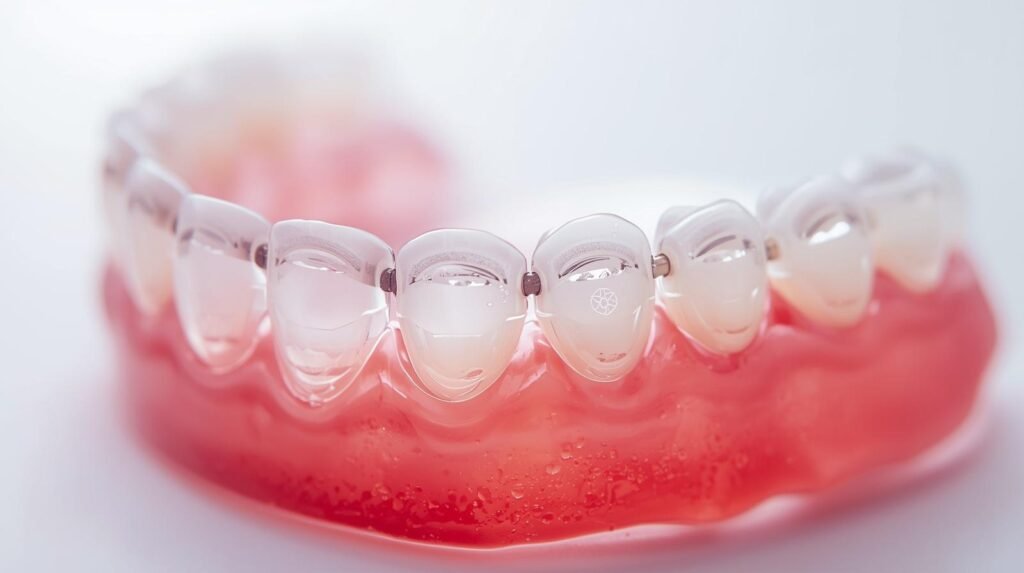
Choose clear aligners if:
- You are an adult or working professional
- You have a wedding, interview, or event during treatment
- Your case is mild to moderate
- You want the freedom to eat anything
- You can commit to wearing them 22 hours a day
- You want fewer clinic visits
Aligners are especially popular for teeth straightening for adults who want invisible orthodontic treatment without changing their daily routine too much.
Who Should Choose Braces?
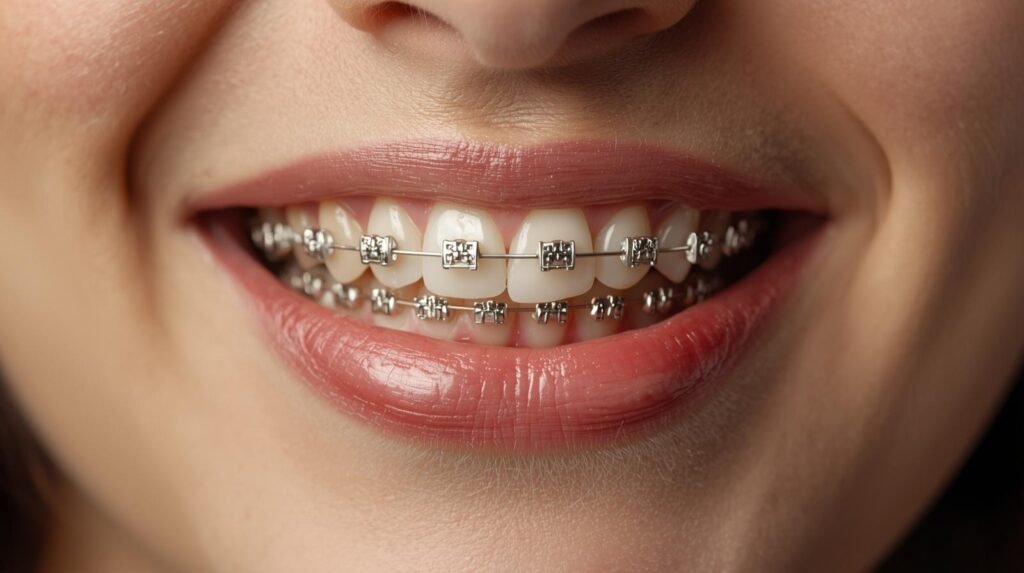
Choose braces if:
- You or your child have a complex bite problem
- Budget is your main concern
- You prefer a hands-off approach with no daily responsibility
- Your case involves severe crowding or rotation
- Your dentist recommends it after examination
Braces are the gold standard for teeth alignment treatment for children and teenagers with growing jaws and complex dental needs.
Before and After Tips for Both Treatments
Before You Start
Get a full dental check-up first. Fix any cavities or gum issues before you begin. Starting with a clean mouth leads to better results and faster treatment.
Ask all your questions. Understand the full cost, expected duration, number of visits, and what your retainer plan looks like after treatment ends.
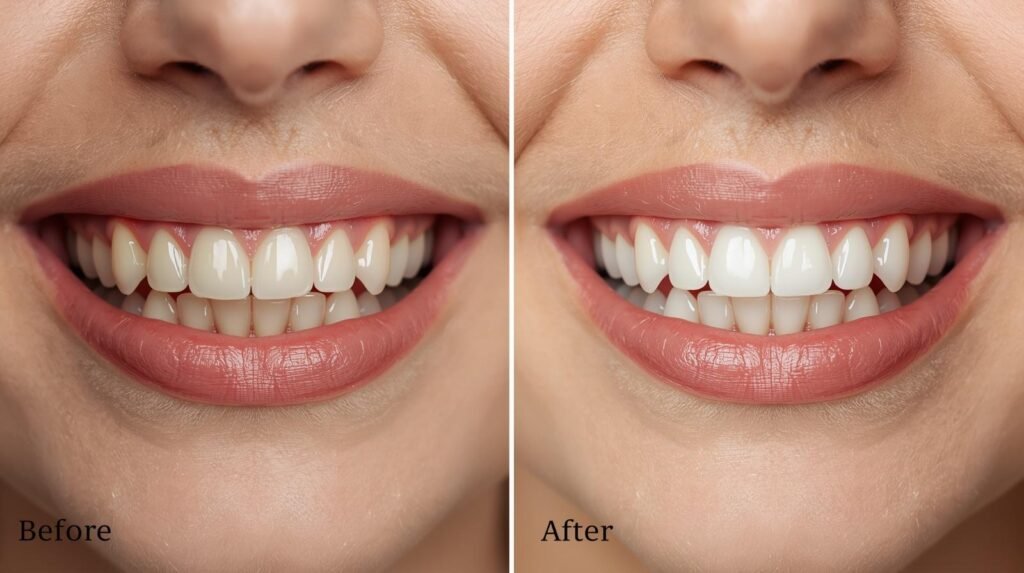
Take before photos. Document your smile before you start. You will love comparing them to your final result.
During Treatment
Clean your teeth after every meal. With braces, food traps easily. With aligners, never put them back in over a dirty mouth. Poor hygiene during orthodontic treatment causes permanent staining and cavities.
Never skip your appointments. Every check-up moves your treatment forward. Missing visits extends your timeline.
Follow your dentist’s instructions exactly. Whether it is changing your aligner tray on schedule or avoiding certain foods with braces — follow the plan. Shortcuts lead to longer treatment.
After Treatment
Wear your retainer without fail. This is the most ignored step in orthodontic treatment. After braces or aligners, teeth naturally try to drift back. A retainer holds them in their new position. Skipping your retainer undoes months of work.
Visit your dentist for a post-treatment review. A check-up three to six months after treatment confirms everything is stable. This is also a great time to discuss teeth whitening to complete your new smile.
Frequently Asked Questions
1. Are clear aligners as good as braces?
Yes, for mild to moderate cases. For severe or complex problems, braces may give better control. Your dentist will tell you which fits your case.
2. Do clear aligners hurt?
You may feel mild pressure when you switch to a new tray. This is normal and fades in a day or two. There are no sharp edges, so most patients find them more comfortable than braces overall.
3. Can children use clear aligners?
Teenagers can use them if they are disciplined enough to wear them consistently. Younger children with growing teeth usually do better with braces.
4. What happens if I don’t wear my retainer?
Your teeth will shift back toward their original position. Retainer use after treatment is not optional — it is essential.
5. How do I know which treatment is right for me?
Only a dentist or orthodontist can answer this properly after examining your teeth, bite, and X-rays. Book a consultation and get a professional opinion.
Final Thoughts
The clear aligners vs braces choice is not a one-size-fits-all answer. Both treatments straighten teeth effectively. Both deliver real, lasting results when you follow the plan. The right choice depends on your dental condition, your lifestyle, your budget, and your level of commitment.
If aesthetics and convenience matter most to you — aligners are likely your answer. If your case is complex or cost is a concern — braces may serve you better.
The smartest move you can make is to book a consultation with a qualified dental professional. Get your teeth examined. Understand your options. Then decide with full confidence.
At Indus Dental Care our experienced team helps patients of all ages find the right orthodontic treatment for their unique smile. We offer both clear aligner treatment and traditional braces — with honest advice, transparent pricing, and care you can trust.
Book your consultation today. Your best smile is waiting.