
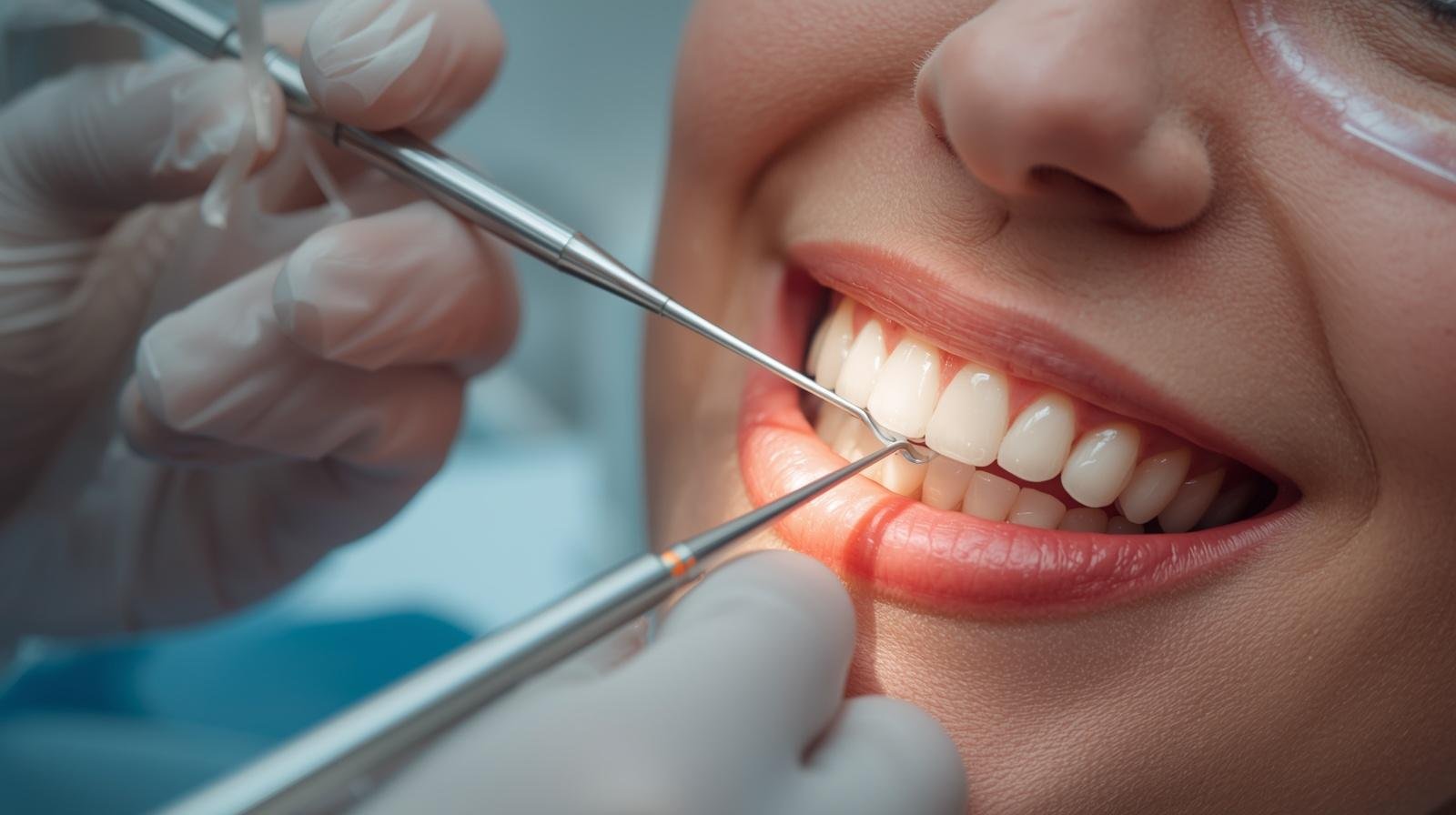
The words “root canal” make most people nervous. Many patients delay treatment simply because they fear the procedure — not realising that avoiding it makes everything significantly worse. The truth is,root canal treatment in Coimbatore today is nothing like the outdated stories you may have heard. It is a routine, largely painless procedure that saves your natural tooth and puts an end to the pain you are already feeling.
This guide covers everything you need to know — what root canal treatment involves, the signs that tell you it is time to act, how it compares to extraction, and what to expect before and after your procedure.
What Is Root Canal Treatment?
Root canal treatment is a dental procedure that removes infected or damaged pulp from inside a tooth. The pulp is the soft tissue at the centre of your tooth — it contains nerves, blood vessels, and connective tissue. When bacteria reach the pulp through a deep cavity, crack, or injury, infection sets in. Left untreated, the infection spreads to the surrounding bone and tissue, causing serious damage.
Root canal treatment in coimbatore cleans out the infected pulp, disinfects the inner canals, fills and seals the tooth, and restores it — usually with a crown. The result is a fully functional, pain-free tooth that looks and works just like a natural one.
Modern root canal treatment uses advanced technology and effective anaesthesia. Most patients feel little to no discomfort during the procedure — far less than they expected.
Signs You Need Root Canal Treatment
Your tooth rarely becomes infected overnight. It sends warning signals long before the situation becomes critical. Recognising these signs early saves your tooth — and saves you from unnecessary pain.
Persistent tooth pain — A deep, throbbing ache that does not go away is one of the clearest signs that the pulp inside your tooth is infected. The pain may come and go, but it always returns.
Sensitivity that lingers — Everyone experiences brief sensitivity to hot or cold food and drinks. But when that sensitivity lingers for several seconds or minutes after the trigger is gone, it signals nerve damage inside the tooth.
Darkening of the tooth — An infected tooth often changes colour — turning grey, brown, or noticeably darker than the surrounding teeth. This happens because the dying pulp tissue discolours the tooth from within.
Swollen or tender gums — Swelling, tenderness, or a small pimple-like bump on the gum near a painful tooth is a strong indicator of infection spreading from the tooth root into the surrounding tissue.
Pain when biting or chewing — If pressing down on a tooth during eating causes sharp pain, the ligaments around the tooth root are likely inflamed due to infection.
A cracked or chipped tooth — A crack or chip that reaches deep into the tooth exposes the pulp to bacteria. Even a crack that causes no immediate pain needs prompt attention before infection sets in.
Early root canal treatment in coimbatore is simpler, faster, and far more comfortable than treatment delayed until the infection spreads.
Root Canal Treatment vs Tooth Extraction
Many patients ask the same question — why not just remove the tooth instead? It seems simpler. But tooth extraction carries consequences that most people do not fully consider.
Root Canal Treatment — Why It Is the Better Choice
Root canal treatment saves your natural tooth. Nothing replaces a natural tooth completely — not even the best dental implant. Your natural tooth maintains the bone structure of your jaw, distributes bite pressure evenly, and functions exactly as nature intended.
After root canal treatment, your restored tooth looks natural, feels natural, and lasts for many years with proper care. Most patients return to normal eating and daily life within a day or two of the procedure.
Tooth Extraction — What Follows
Removing a tooth creates a gap. That gap causes the surrounding teeth to gradually shift toward the empty space. Over time, this leads to bite problems, jaw pain, and further tooth loss. To prevent this, most patients need a dental implant, bridge, or denture after extraction — adding cost, time, and additional procedures.
The bottom line is simple — if your dentist says root canal treatment in coimbatore can save your tooth, saving it is always the smarter long-term decision.
What Happens During Root Canal Treatment?
Understanding the process removes the fear. Here is exactly what happens during root canal treatment at a modern dental clinic:
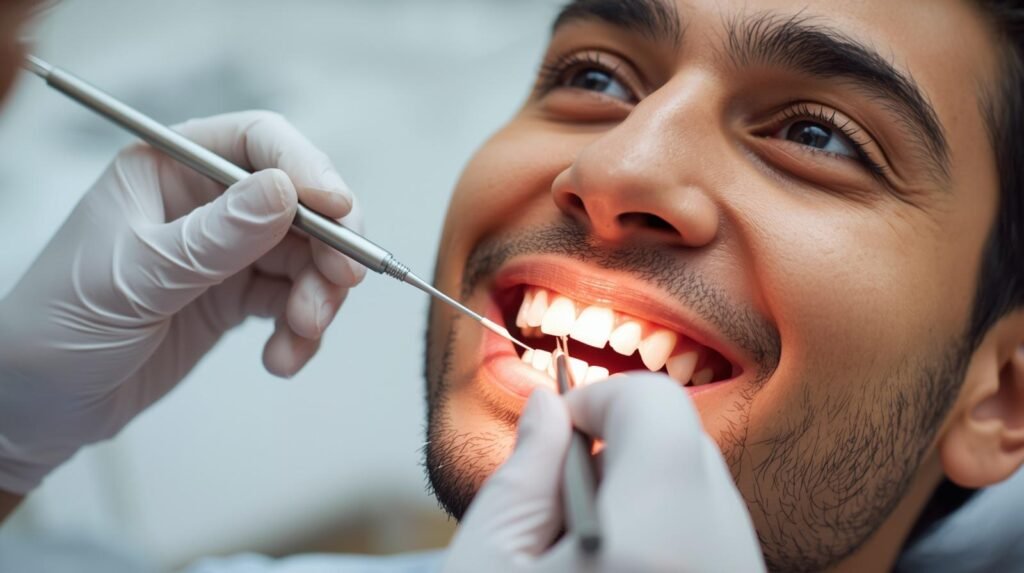
Step 1 — Examination and X-ray Your dentist takes an X-ray to assess the extent of infection and the shape of the root canals. This helps plan the procedure precisely.
Step 2 — Local Anaesthesia Your dentist numbs the tooth and surrounding area completely. You stay awake but feel no pain. Most patients are surprised by how comfortable the procedure actually is.
Step 3 — Accessing the Pulp Your dentist creates a small opening in the top of the tooth to access the infected pulp chamber.
Step 4 — Removing the Infected Pulp Using fine instruments, your dentist carefully removes all infected and damaged pulp tissue from inside the tooth and its root canals.
Step 5 — Cleaning and Shaping The canals are cleaned, shaped, and disinfected thoroughly to remove all traces of bacteria.
Step 6 — Filling and Sealing The cleaned canals are filled with a biocompatible material and sealed completely to prevent reinfection.
Step 7 — Crown Placement A dental crown is placed over the treated tooth to restore its strength, function, and appearance. The crown protects the tooth and makes it indistinguishable from your natural teeth.
After Tips for Root Canal Treatment
Avoid hard and chewy foods immediately after treatment. Your tooth and surrounding tissue need time to settle. Stick to soft foods for the first 24 to 48 hours and chew on the opposite side wherever possible.
Take prescribed medications as directed. Your dentist may prescribe antibiotics or pain relief. Complete the full course without skipping doses — this prevents reinfection and manages any post-procedure discomfort effectively.
Do not ignore post-treatment sensitivity. Mild sensitivity for a few days after root canal treatment is completely normal. However, if severe pain or swelling develops after 48 hours, contact your dentist immediately.
Get your crown placed without delay. After root canal treatment, your tooth is temporarily sealed and vulnerable. A dental crown protects it permanently — delaying the crown risks cracking or reinfecting the treated tooth.
Maintain excellent oral hygiene going forward. Brush twice daily, floss daily, and visit your dentist every six months
Frequently Asked Questions
1. Is root canal treatment painful?
Modern root canal treatment is performed under local anaesthesia — you feel pressure but no pain during the procedure. Most patients find it no more uncomfortable than a routine filling. The pain you feel before treatment from the infection is far worse than the procedure itself.
2. How many visits does root canal treatment take?
Most cases of root canal treatment complete in one to two visits depending on the severity of infection and the number of canals in the tooth. Your dentist will give you a clear timeline after the initial examination.
3. How long does a root canal treated tooth last?
A properly treated and crowned tooth can last a lifetime with good oral hygiene and regular dental check-ups. The crown protects the tooth from fracture and reinfection — making long-term success very achievable.
4. Can I go to work after root canal treatment?
Most patients return to normal daily activities including work the same day or the day after root canal treatment. Avoid strenuous physical activity for 24 hours and follow your dentist’s aftercare instructions.
5. Is root canal treatment available for children?
Yes. Children with severely infected milk teeth or permanent teeth can undergo root canal treatment. Saving an infected tooth — even a milk tooth — prevents shifting of surrounding teeth and protects the developing permanent teeth underneath.
Final Thoughts
Root canal treatment is not something to fear — it is something to be grateful for. It stops pain, clears infection, and saves a tooth that your body needs for a lifetime of healthy eating, speaking, and smiling.
If you have been putting off treatment because of fear or uncertainty, let this be the push you needed. The longer you wait, the more complex and costly the situation becomes.
At Indus Dental Care, our experienced dental team provides gentle, advanced root canal treatment in Coimbatore, Palladam, and Tirupur. We use modern techniques and effective anaesthesia to make your experience as comfortable and stress-free as possible.
Book your consultation today. Save your tooth. End the pain.